

 English
 Français
 русский
 Español
 Português
 عربى

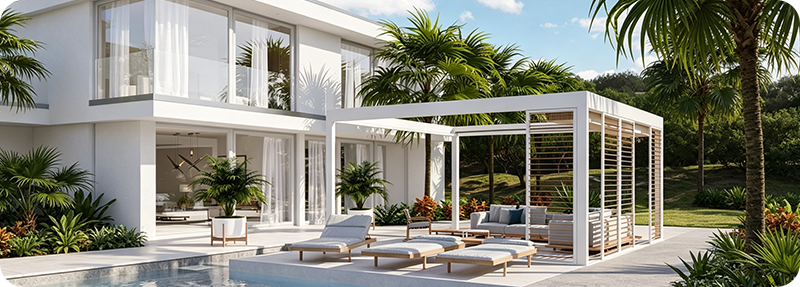
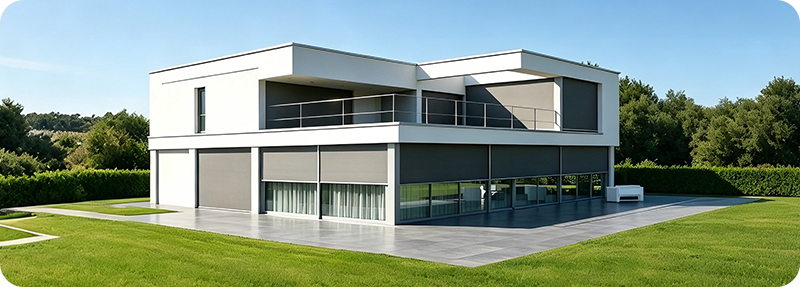
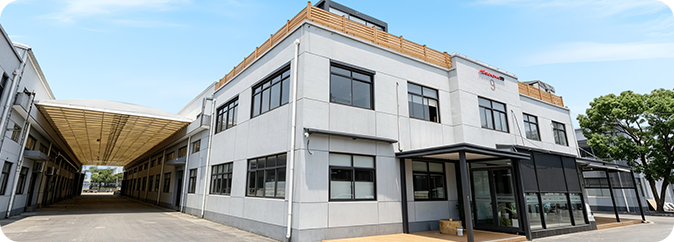
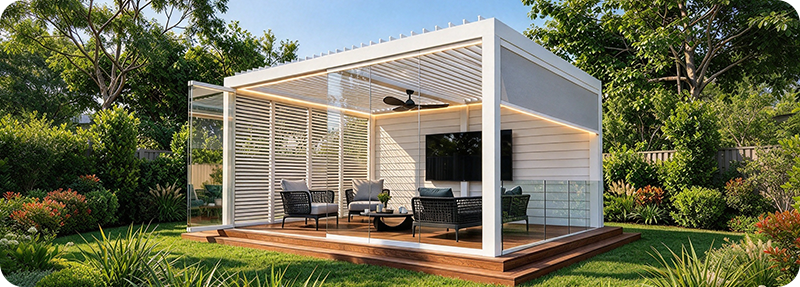
How Can Zip Screens Improve Outdoor Comfort Without Blocking the View?
As outdoor living spaces become an important part of residential and commercial architecture, property owners are looking for practical ways to manage sunlight, wind, glare, and privacy without sacrificing an open atmosphere. Traditional outdoor blinds often struggle to balance these requirements, particularly in exposed patios, balconies, pergolas, and large glass-fronted spaces. This has increased interest in the Zip Screen system, which combines guided fabric movement with a more controlled side structure. For architects, contractors, and wholesale buyers, understanding how different screen configurations perform is essential to selecting products that meet changing project requirements.
Why Are More Buyers Considering Zip-Guided Outdoor Screens?
Modern outdoor spaces are expected to provide more than basic shade. Homeowners want comfortable environments that remain visually connected to their gardens, terraces, and surrounding landscapes. Commercial property developers also need flexible shading solutions for restaurants, hotels, office terraces, and hospitality venues.
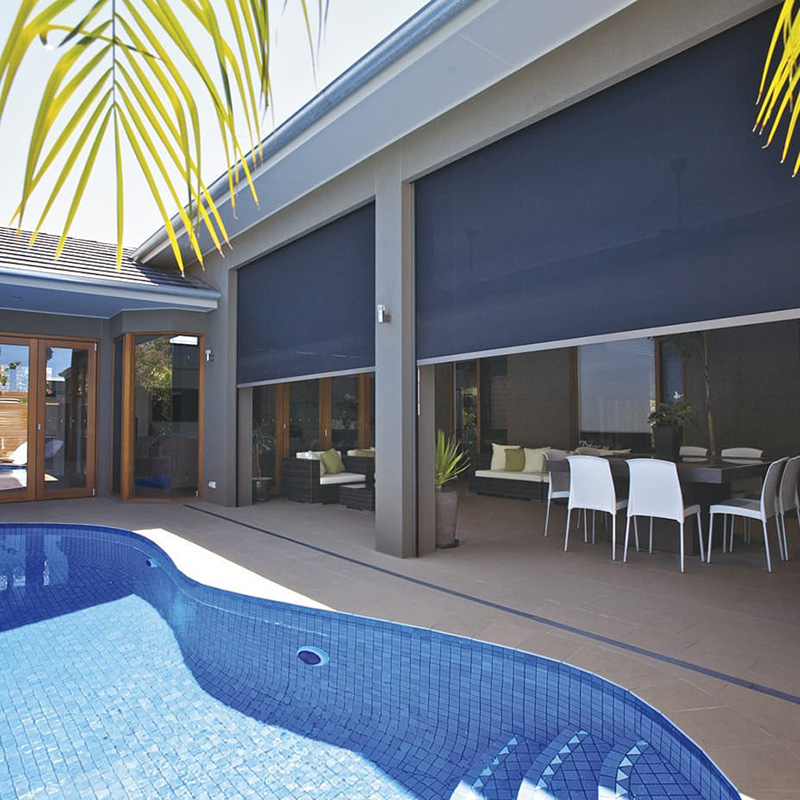
Unlike conventional roller blinds, a zip-guided screen uses fabric edges that engage with dedicated side channels. This structure helps keep the fabric in position during operation and reduces unwanted gaps along the sides.
For projects requiring a combination of solar control, privacy, and improved fabric stability, this design offers a practical alternative to traditional outdoor shading products.
How Does the Side-Channel Design Improve Performance?
One common problem with outdoor roller blinds is fabric movement caused by changing wind conditions. Loose fabric edges may flap, shift, or become uneven during operation, affecting both appearance and usability.
A Zip Screen addresses this issue through several coordinated components:
- Zippered fabric edges: Help retain the fabric within the side channels throughout its travel.
- Aluminum guide rails: Provide a defined operating path and support consistent fabric movement.
- Bottom bar: Helps maintain fabric tension and contributes to a neat appearance.
- Headbox: Protects the rolled fabric when the screen is retracted.
However, overall wind performance depends on the complete system, including dimensions, fabric selection, installation structure, and fixing methods. Buyers should request model-specific test information rather than assume every zip screen offers the same wind resistance.
Choosing the Right Fabric for Sunlight and Privacy
Fabric selection directly influences the user experience. A screen designed primarily for glare reduction may require different material characteristics from one intended for privacy or insect protection.
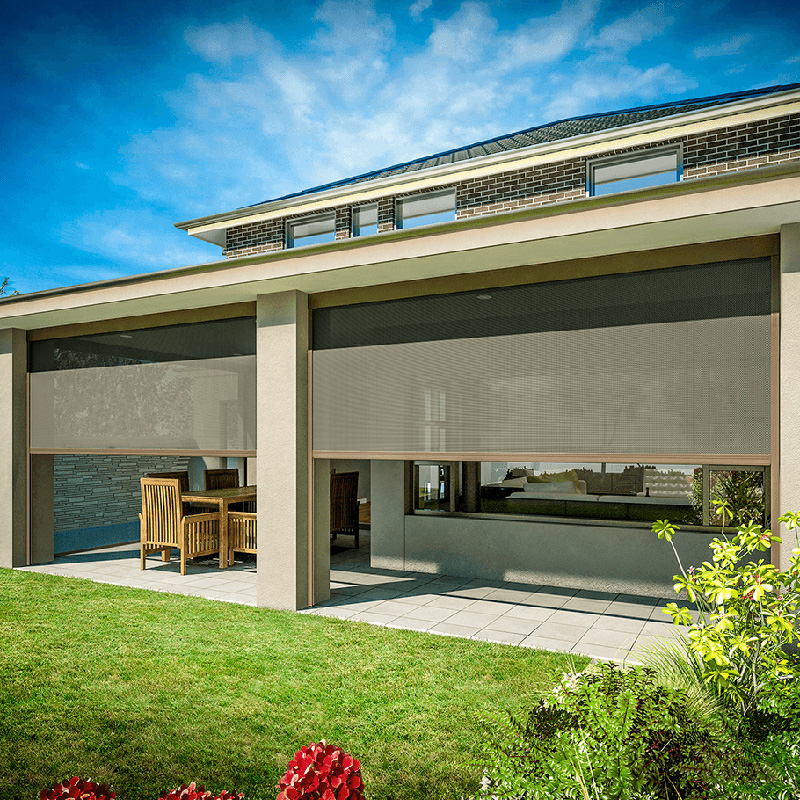
Solar mesh fabrics are commonly considered for outdoor applications because they help filter sunlight while maintaining varying levels of outward visibility. Their openness factor, color, and weave structure should be evaluated according to the project's orientation and exposure.
For example, a lower openness factor may provide greater visual screening, while a more open mesh can preserve a clearer connection with the outdoor environment.
As a manufacturer, we recommend evaluating fabric samples under actual lighting conditions before confirming large-volume orders. This helps distributors and project contractors avoid mismatches between product expectations and final installation results.
Is Motorized Operation Worth Considering?
Motorized outdoor shading is becoming increasingly relevant as smart home technology expands into exterior living areas. Recent industry discussions highlight growing interest in automated shading, sensor-based control, and integrated outdoor environments.
For large patios, pergolas, and commercial openings, motorized zip screens can simplify daily operation and reduce the physical effort required to adjust multiple screens.
Depending on the selected motor and control system, buyers may consider:
- Remote control for convenient daily adjustment.
- Wall switches for straightforward operation.
- Smart home integration where compatible.
- Wind sensors that trigger automatic retraction when configured operating limits are exceeded.
Electrical compatibility, motor capacity, and control requirements should be confirmed before production and installation.
What Installation Problems Should Buyers Avoid?
Even a well-designed screen can experience operational problems when the opening or supporting structure is unsuitable. Incorrect measurements, uneven mounting surfaces, and poorly aligned guide rails may cause fabric resistance or uneven movement.
Before placing an order, project teams should check:
- Opening width and height at multiple measurement points.
- Whether mounting surfaces are level and structurally suitable.
- Available installation space for the headbox and side channels.
- Electrical access for motorized configurations.
- Local weather exposure and applicable installation requirements.
These checks help reduce installation adjustments, unnecessary replacement costs, and after-sales issues.
Why Does Manufacturing Consistency Matter for Bulk Orders?
For importers, distributors, and construction contractors, product consistency is just as important as initial product performance. Differences in fabric dimensions, aluminum profiles, color finishes, and component compatibility can create difficulties when multiple units are installed within the same project.
Working with an experienced Zip Screen manufacturer allows buyers to discuss product configurations, fabric options, dimensions, operating methods, and packaging requirements before mass production.
We focus on understanding the intended application and matching the screen structure to project specifications. Clear technical communication and consistent production checks also help overseas partners manage procurement schedules and maintain product standards across different orders.
How to Select a Suitable Zip Screen Supplier?
The right supplier should provide more than a product quotation. Buyers should evaluate manufacturing experience, component specifications, available fabric choices, customization capabilities, quality inspection procedures, and technical support.
It is also worth discussing sample approval, installation instructions, spare parts availability, and packaging protection for international transportation.
As outdoor architecture continues to prioritize flexible shading and connected living environments, demand for practical exterior screen solutions is likely to remain an important consideration for the building materials market. Choosing a properly configured Zip Screen from a capable manufacturer can help distributors and project buyers deliver better outdoor comfort, maintain visual appeal, and meet the functional requirements of different international markets.
-
 2026.09.11
SUNC Aluminum Louver Pergola
-
 2026.09.11
Architectural facade cover sun louver system
-
 2026.09.11
Architectural Bespoke Blinds Systems
-
 2026.09.11
SUNC Collabration Partners
-
 2026.09.11
Outdoor Umbrella
-
 2026.09.11
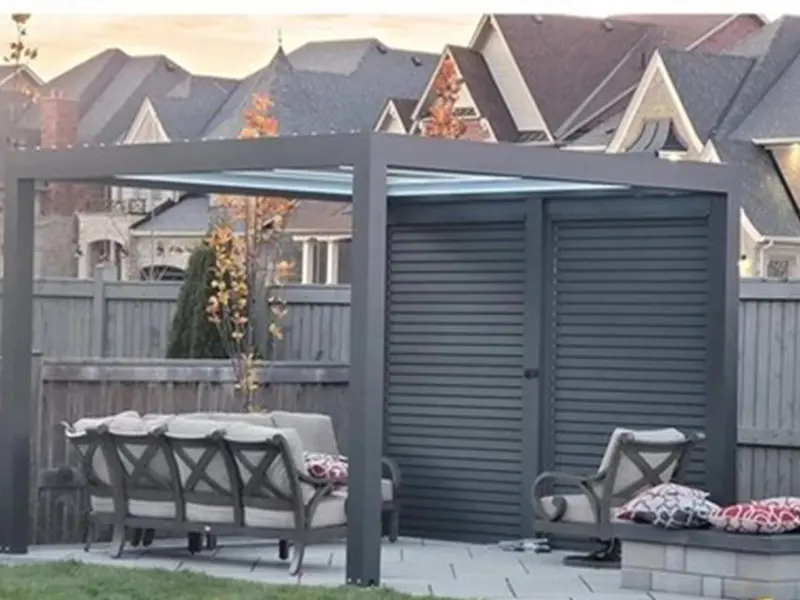
Pergola Roof Ideas

Recommended Products
Get A Quote
You are warmly welcome to send us your inquiry! We will provide customized quotations or solutions tailored to your specific requirements and send the details directly to your email inbox.
-
Do You Like
Get A Quote
What You See? -
Quick link
Home About SUNC Custom Design Resources Become A Dealer Contact Us -
Pergolas
Louvered Pergolas Solar Pergolas PVC Pergolas -
Product
Zip Screens Outdoor Shades Awnings Aluminum Carports Indoor Blinds Glass Sliding Doors Outdoor Kitchen Systems Guillotine Windows Pergola Accessories -
Contact Information

Vivian:+86-18101873928

+86-021-59140027

yuanyuan.wei@sunctech.cn

A-2, No. 8 Baxiu West Road, Yongfeng Street, Songjiang District, Shanghai, China


Copyright © Shanghai SUNC Intelligence Shade Technology Co., Ltd. All Rights Reserved.
