

 English
 Français
 русский
 Español
 Português
 عربى

Is Your Outdoor Shading System Ready for Changing Weather and Sunlight Conditions?
Modern buildings increasingly use large windows, glass façades, and open outdoor spaces to create brighter and more comfortable environments. However, these architectural features can also introduce practical challenges, including excessive solar heat, screen glare, reduced privacy, and exposure to changing weather conditions. For architects, contractors, window treatment distributors, and property developers, selecting the right Zip Screen involves more than choosing an attractive fabric. The system must match the building's orientation, installation conditions, and daily operating requirements to deliver reliable shading performance.
Why Are External Shading Systems Gaining Attention?
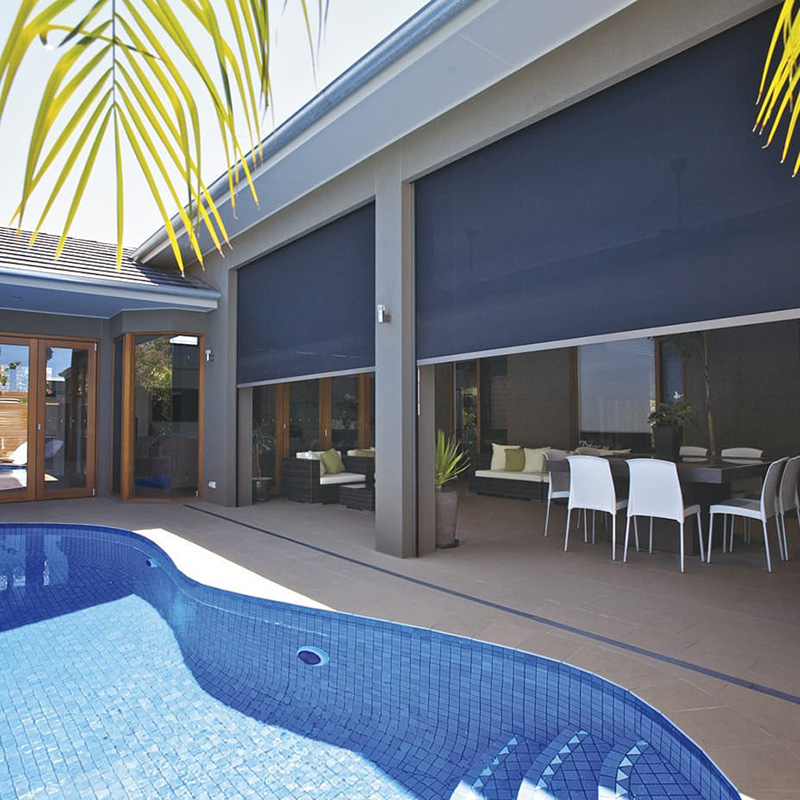
As outdoor living spaces become an important part of residential and commercial projects, demand for practical exterior shading solutions continues to develop. Homeowners want to use patios and terraces more comfortably, while hotels, restaurants, and office buildings need better control over sunlight and visual privacy.
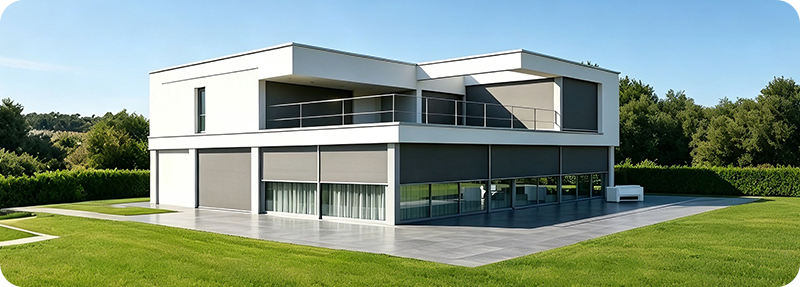
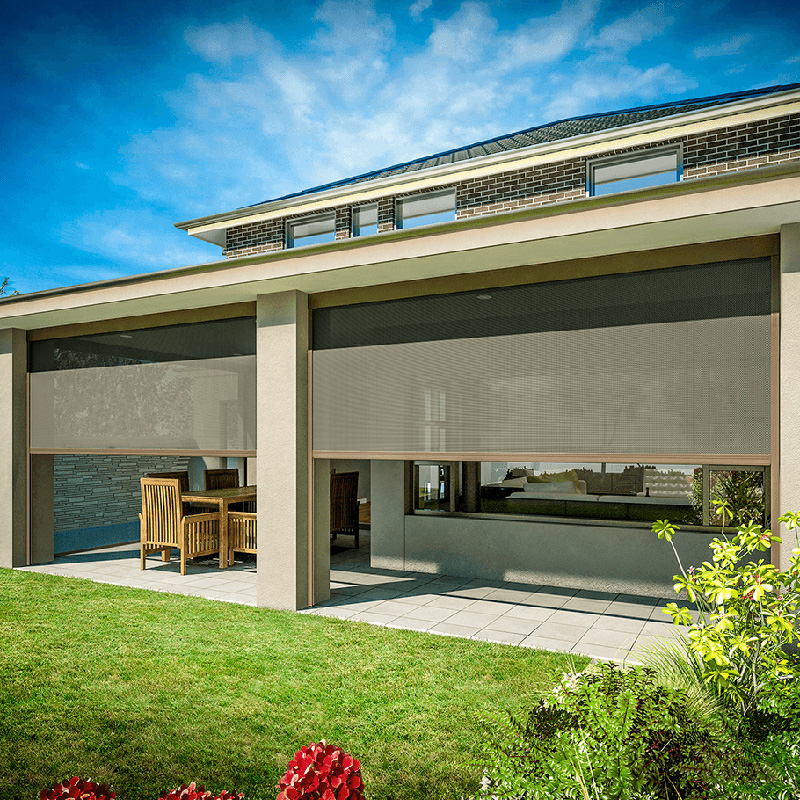
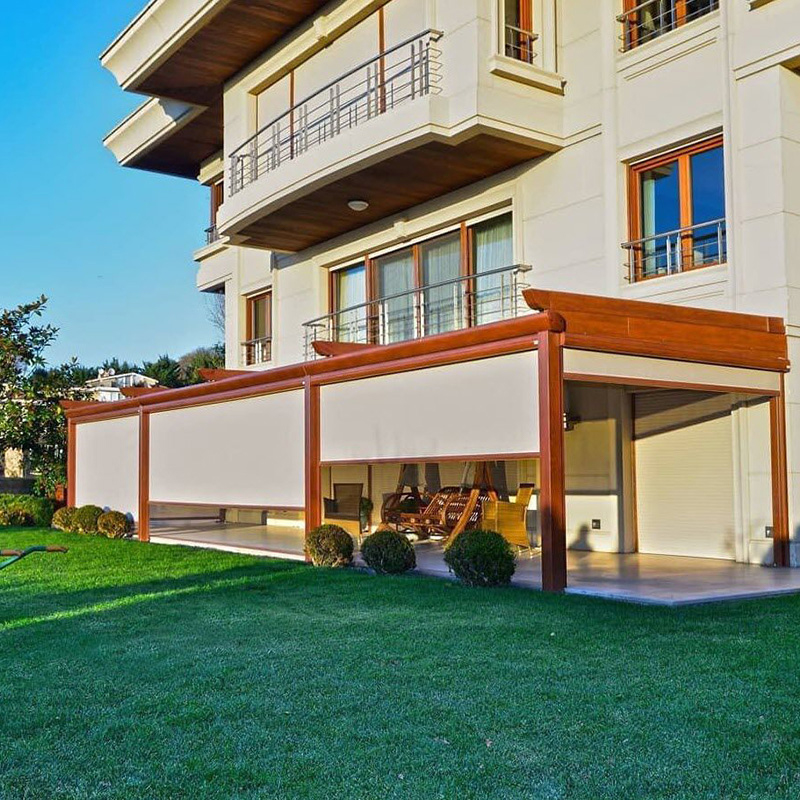
Unlike interior blinds, exterior screens intercept sunlight before it passes through the glass. This can help reduce direct solar exposure and glare, depending on the selected fabric and building configuration.
For projects with large glazed areas, external roller screens offer a way to improve indoor and outdoor comfort without completely blocking natural light or the surrounding view.
How Does ZIP Guidance Improve Screen Stability?
One common problem with conventional exterior roller blinds is fabric movement in changing wind conditions. Loose fabric edges may create gaps, allow additional movement, or affect the appearance of the installation.
A ZIP-guided system addresses this issue through a connected edge-retention design. The fabric edges are fitted with integrated zip elements that run inside dedicated side channels, helping keep the material positioned during operation.
For project buyers, important design considerations include:
- Consistent engagement between the fabric edges and side guides.
- Appropriate side-channel dimensions and structural alignment.
- Suitable bottom bar weight and fabric tension.
- Compatibility between the screen size and selected hardware.
This construction can improve fabric retention and reduce lateral gaps. However, actual wind resistance depends on the complete system configuration, including dimensions, fabric, fixing method, and installation conditions.
Which Screen Fabric Is Suitable for Different Buildings?
Fabric selection directly influences the balance between shading, visibility, privacy, and natural light. One specification does not necessarily suit every project.
The openness factor is particularly important when comparing solar screen fabrics. A higher openness factor generally allows more outward visibility and daylight, while a lower value provides a denser screen with greater shading and privacy.
For example:
- Residential windows: Medium openness fabrics may provide a balance between outdoor visibility and glare control.
- Office buildings: Lower openness options may be appropriate where screen glare and computer visibility are major concerns.
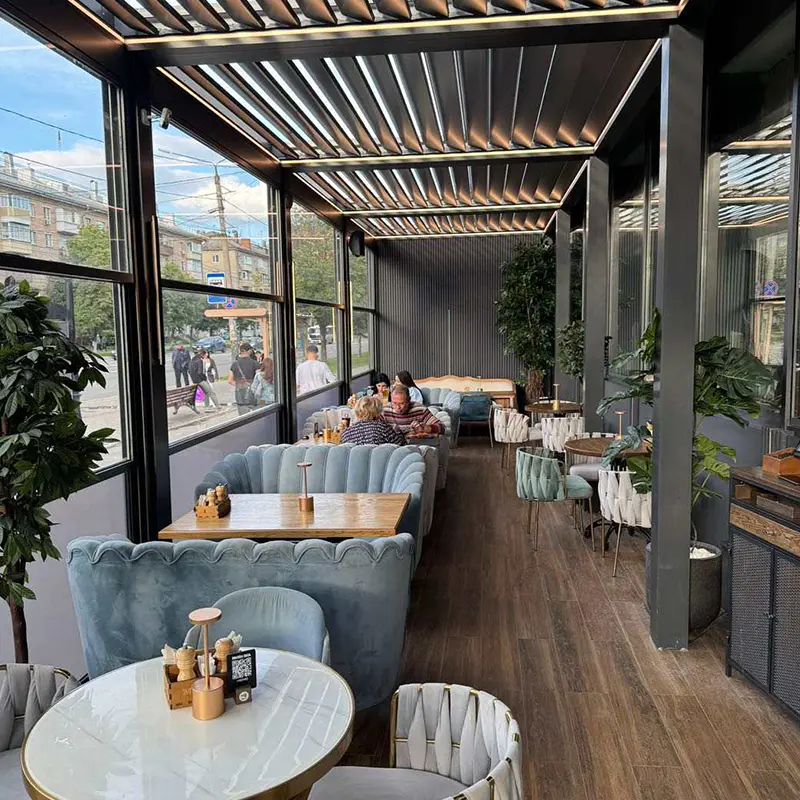
- Restaurants and patios: Fabric selection should consider sunlight direction, outdoor visibility, and the desired atmosphere.
- Private outdoor areas: Denser fabrics may help reduce visual exposure from surrounding properties.
Buyers should also review fabric color, UV performance, cleaning requirements, and suitability for outdoor exposure before confirming specifications.
What Should Buyers Check Before Ordering Motorized ZIP Screens?
Motorized operation is becoming increasingly relevant in modern residential and commercial projects. Remote controls, wall switches, and smart-home integration can make daily shading adjustments more convenient.
However, selecting a motor should involve more than checking whether it supports remote operation. Buyers and installers need to consider screen dimensions, total load, operating frequency, power supply, and control compatibility.
For larger installations, it is also useful to clarify whether the motor can integrate with the project's existing automation system. Wind sensors and other control accessories may provide additional operating convenience, but their compatibility should be confirmed for the specific system.
A properly matched motor and control arrangement helps avoid unnecessary installation changes and operational problems.
Why Does Accurate Measurement Matter for Installation?
Even a well-manufactured ZIP screen may experience operating difficulties if the opening is measured incorrectly or the guide rails are installed out of alignment.
Before production, project teams should confirm the finished opening dimensions, mounting position, available headbox clearance, and fixing surface. They should also determine whether the system will be face-fixed or installed within the opening.
During installation, particular attention should be given to:
- Keeping the headbox level.
- Aligning both side guides correctly.
- Ensuring the fabric edges engage smoothly with the guide channels.
- Checking bottom bar movement and final stopping positions.
- Testing several complete opening and closing cycles.
These steps help reduce fabric tracking problems, unnecessary friction, and uneven operation.
How Can Manufacturers Help Distributors Reduce Project Risks?
For distributors and contractors, sourcing a ZIP screen system means evaluating the complete product rather than individual components. Fabric, aluminum profiles, side guides, bottom bars, motors, and accessories must work together.
As a manufacturer, we consider opening dimensions, installation methods, fabric preferences, and operating requirements when reviewing project specifications. This allows us to identify potential compatibility issues before production and recommend suitable configurations.
For OEM and wholesale customers, customization may also include profile colors, fabric selections, motor options, and product dimensions. Clear technical communication at the quotation stage helps establish realistic manufacturing and installation expectations.
Making a More Informed Investment in Outdoor Shading
A suitable external shading system should address the actual conditions of the building rather than simply follow appearance trends. Sunlight exposure, wind environment, fabric openness, installation geometry, and control requirements all influence the final selection. For residential developments, hospitality projects, and commercial façades, a properly specified Zip Screen can provide practical solar control, improved privacy, and a more adaptable outdoor environment. Working with an experienced manufacturer helps buyers coordinate these requirements and develop a system suited to their project.
-
 2026.09.11
SUNC Aluminum Louver Pergola
-
 2026.09.11
Architectural facade cover sun louver system
-
 2026.09.11
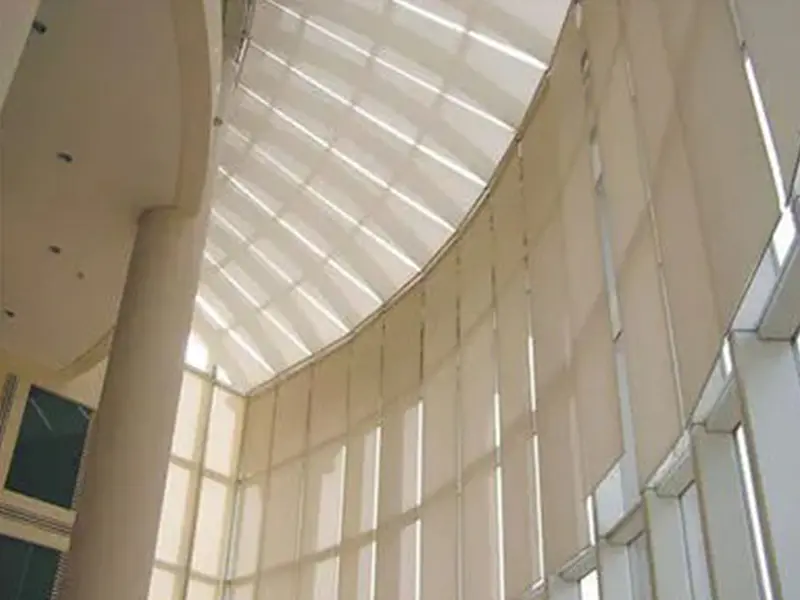
Architectural Bespoke Blinds Systems
-
 2026.09.11
SUNC Collabration Partners
-
 2026.09.11
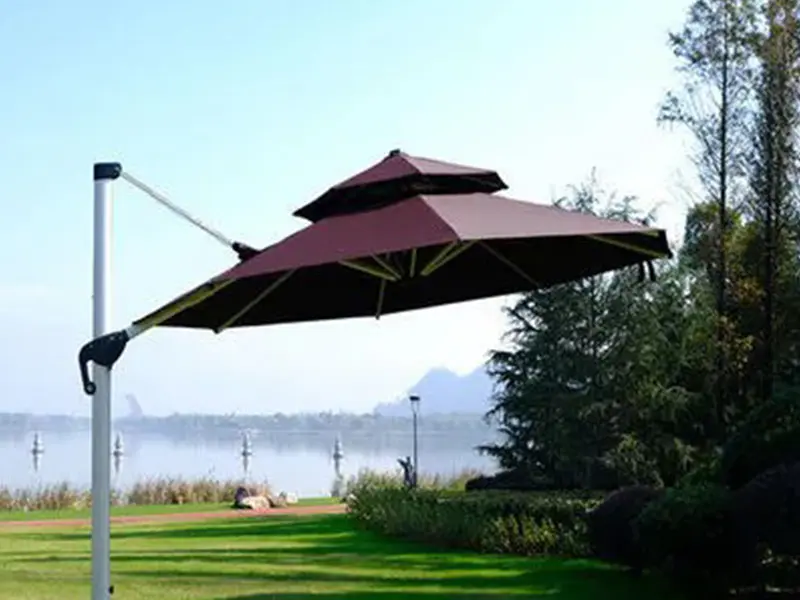
Outdoor Umbrella
-
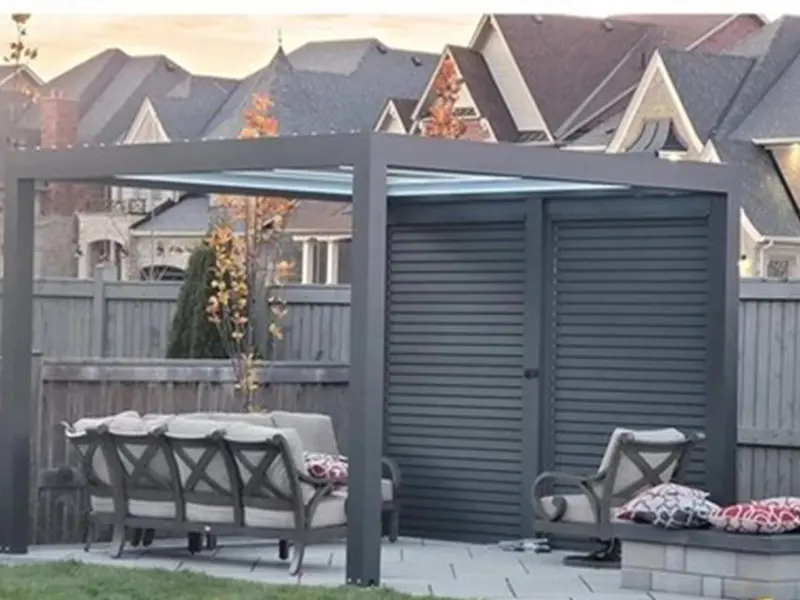 2026.09.11
Pergola Roof Ideas

Recommended Products
Get A Quote
You are warmly welcome to send us your inquiry! We will provide customized quotations or solutions tailored to your specific requirements and send the details directly to your email inbox.
-
Do You Like
Get A Quote
What You See? -
Quick link
Home About SUNC Custom Design Resources Become A Dealer Contact Us -
Pergolas
Louvered Pergolas Solar Pergolas PVC Pergolas -
Product
Zip Screens Outdoor Shades Awnings Aluminum Carports Indoor Blinds Glass Sliding Doors Outdoor Kitchen Systems Guillotine Windows Pergola Accessories -
Contact Information

Vivian:+86-18101873928

+86-021-59140027

yuanyuan.wei@sunctech.cn

A-2, No. 8 Baxiu West Road, Yongfeng Street, Songjiang District, Shanghai, China


Copyright © Shanghai SUNC Intelligence Shade Technology Co., Ltd. All Rights Reserved.
Sitemap
