

 English
 Français
 русский
 Español
 Português
 عربى

What Should Buyers Consider to Improve the Long-Term Reliability of Outdoor Zip Screens?
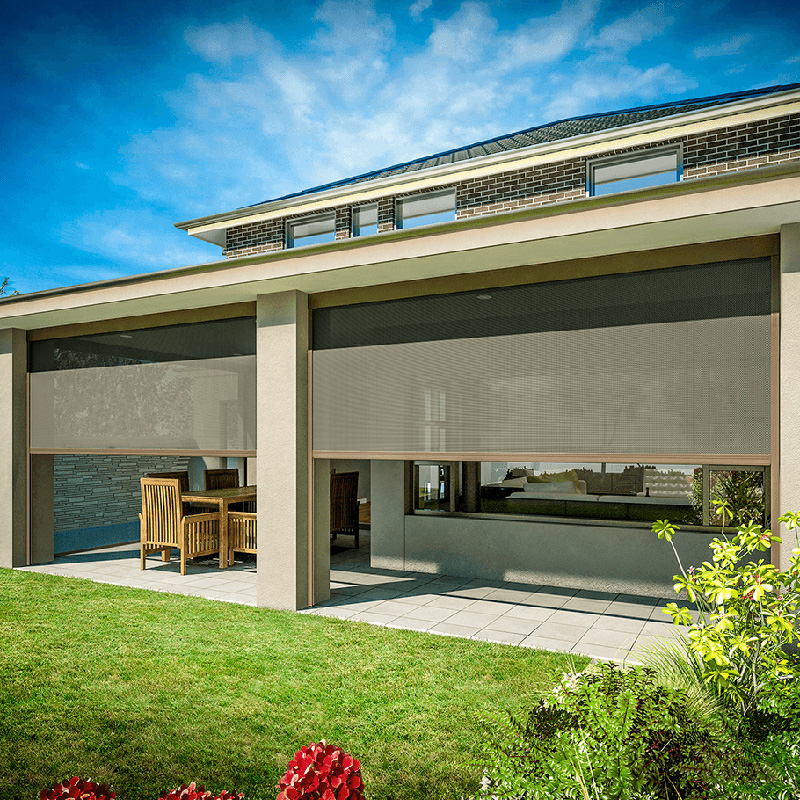
Outdoor shading systems are expected to perform consistently despite changing temperatures, dust, moisture, and frequent operation. For residential developments, hotels, office buildings, and commercial properties, choosing a shading product involves more than comparing appearance and initial purchase costs. Maintenance access, component quality, and operating reliability can influence the overall ownership experience. A well-designed Zip Screen system should therefore be evaluated not only for its shading performance but also for how easily it can be inspected, maintained, and serviced throughout its working life.
Why Should Maintenance Be Considered Before Installation?
One common mistake in building projects is treating maintenance as something to address only after installation. However, exterior shading products are exposed to environmental conditions that differ from those affecting indoor blinds.
Dust accumulation, moisture, temperature changes, and repeated operation may gradually affect moving components and fabric surfaces. If maintenance access is restricted by the building structure, even relatively simple inspections can become inconvenient.
For architects and contractors, considering access to the headbox, motor, and side guides during the design stage can help reduce future servicing difficulties. A practical installation should balance architectural appearance with the accessibility required for routine inspection.
Which Components Deserve More Attention?
A ZIP-guided screen consists of several interconnected components. Their condition and compatibility influence how smoothly the complete system operates.
Buyers should pay particular attention to:
- Electric motors: Motor selection should match screen dimensions, operating loads, and expected usage frequency.
- Side guide channels: Correct alignment and secure installation help maintain consistent fabric movement.
- Fabric edges: The ZIP connection should remain properly engaged with the guide system during operation.
- Bottom bars: Suitable weight and structural design help maintain fabric tension.
- Control accessories: Switches, receivers, sensors, and controllers should be compatible with the selected motor system.
Evaluating these components together is more useful than comparing individual specifications without considering the complete assembly.
How Can Environmental Conditions Affect Screen Performance?
Outdoor installations face different environmental challenges depending on their location. Coastal properties may experience salt exposure and higher moisture levels, while buildings in dusty or dry regions may require more frequent surface cleaning.
Temperature fluctuations can also affect material behavior and operating conditions. For this reason, buyers should discuss the intended installation environment with the manufacturer before selecting fabrics, profiles, and accessories.
For example, a screen installed on an exposed commercial façade may require different specifications from one used on a sheltered residential balcony. Wind exposure, rain conditions, sunlight intensity, and installation height should all be considered during product selection.
Is Easy Access to Components Important for Commercial Projects?
For hotels, offices, and multi-unit residential developments, a malfunctioning screen can affect more than one individual user. Maintenance teams may need to inspect multiple units across different floors or building sections.
A system with clearly defined component arrangements and accessible service points can make troubleshooting more manageable.
Project planners should consider whether motors can be accessed without unnecessary dismantling, whether replacement components are identifiable, and whether installation documentation is available.
These details become particularly relevant for projects with multiple screens, where organized maintenance procedures can help facility managers coordinate inspections and repairs.
What Should Buyers Ask Manufacturers Before Placing an Order?
A supplier's technical response can reveal whether its products are suitable for the intended project. Instead of focusing exclusively on price, buyers should request information about component specifications, installation requirements, and available maintenance support.
Useful questions include:
- What motor options are available for different screen dimensions?
- Are replacement motors and accessories available?
- What cleaning and inspection procedures are recommended?
- Are the fabric and profiles suitable for the intended outdoor environment?
- Can the manufacturer provide installation instructions and technical documentation?
For distributors, these details also make it easier to support installers and respond to customer enquiries after delivery.
How Does Manufacturing Quality Influence Ownership Costs?
Manufacturing consistency plays an important role in long-term product performance. Inaccurate profile dimensions, poor component alignment, or inconsistent assembly can create operational problems that may require additional adjustment after installation.
As a manufacturer, we consider component compatibility, processing accuracy, and assembly requirements during product development. Motor specifications, aluminum profiles, fabric dimensions, and ZIP guide structures should be reviewed as parts of one complete system.
For OEM and wholesale customers, confirming technical specifications before mass production is particularly important. Sample evaluation and clear quality inspection requirements can help identify potential issues before products are supplied to larger projects.
Making a Smarter Purchasing Decision for Long-Term Use
The initial quotation is only one part of the purchasing decision. Buyers should also consider installation complexity, routine maintenance, replacement component availability, and the suitability of the product for its operating environment. Comparing these factors helps distributors and project developers assess the broader ownership costs rather than focusing solely on upfront expenditure. When properly specified and manufactured, a Zip Screen can provide practical outdoor shading while supporting more manageable maintenance and reliable everyday operation.
-
 2026.09.11
SUNC Aluminum Louver Pergola
-
 2026.09.11
Architectural facade cover sun louver system
-
 2026.09.11
Architectural Bespoke Blinds Systems
-
 2026.09.11
SUNC Collabration Partners
-
 2026.09.11
Outdoor Umbrella
-
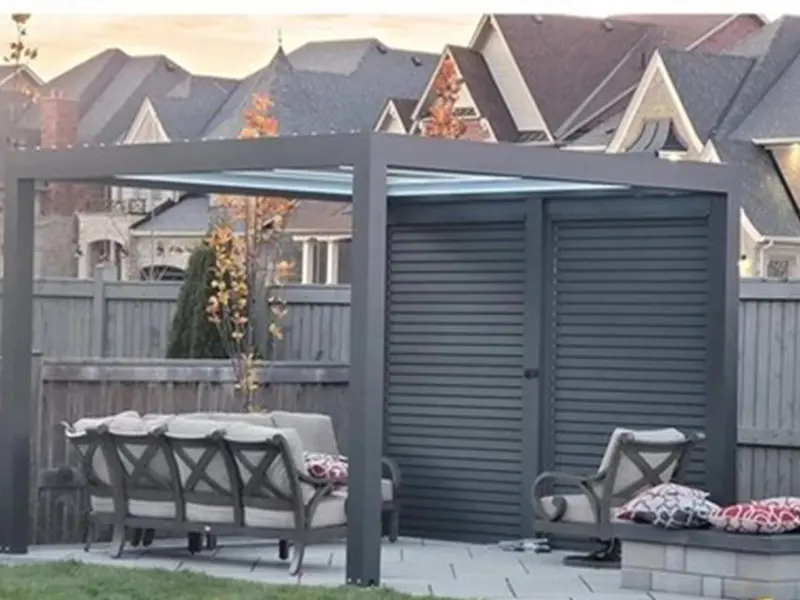 2026.09.11
Pergola Roof Ideas

Recommended Products
Get A Quote
You are warmly welcome to send us your inquiry! We will provide customized quotations or solutions tailored to your specific requirements and send the details directly to your email inbox.
-
Do You Like
Get A Quote
What You See? -
Quick link
Home About SUNC Custom Design Resources Become A Dealer Contact Us -
Pergolas
Louvered Pergolas Solar Pergolas PVC Pergolas -
Product
Zip Screens Outdoor Shades Awnings Aluminum Carports Indoor Blinds Glass Sliding Doors Outdoor Kitchen Systems Guillotine Windows Pergola Accessories -
Contact Information

Vivian:+86-18101873928

+86-021-59140027

yuanyuan.wei@sunctech.cn

A-2, No. 8 Baxiu West Road, Yongfeng Street, Songjiang District, Shanghai, China


Copyright © Shanghai SUNC Intelligence Shade Technology Co., Ltd. All Rights Reserved.
Sitemap
